How local makers are shaping Hawaiʻi's future
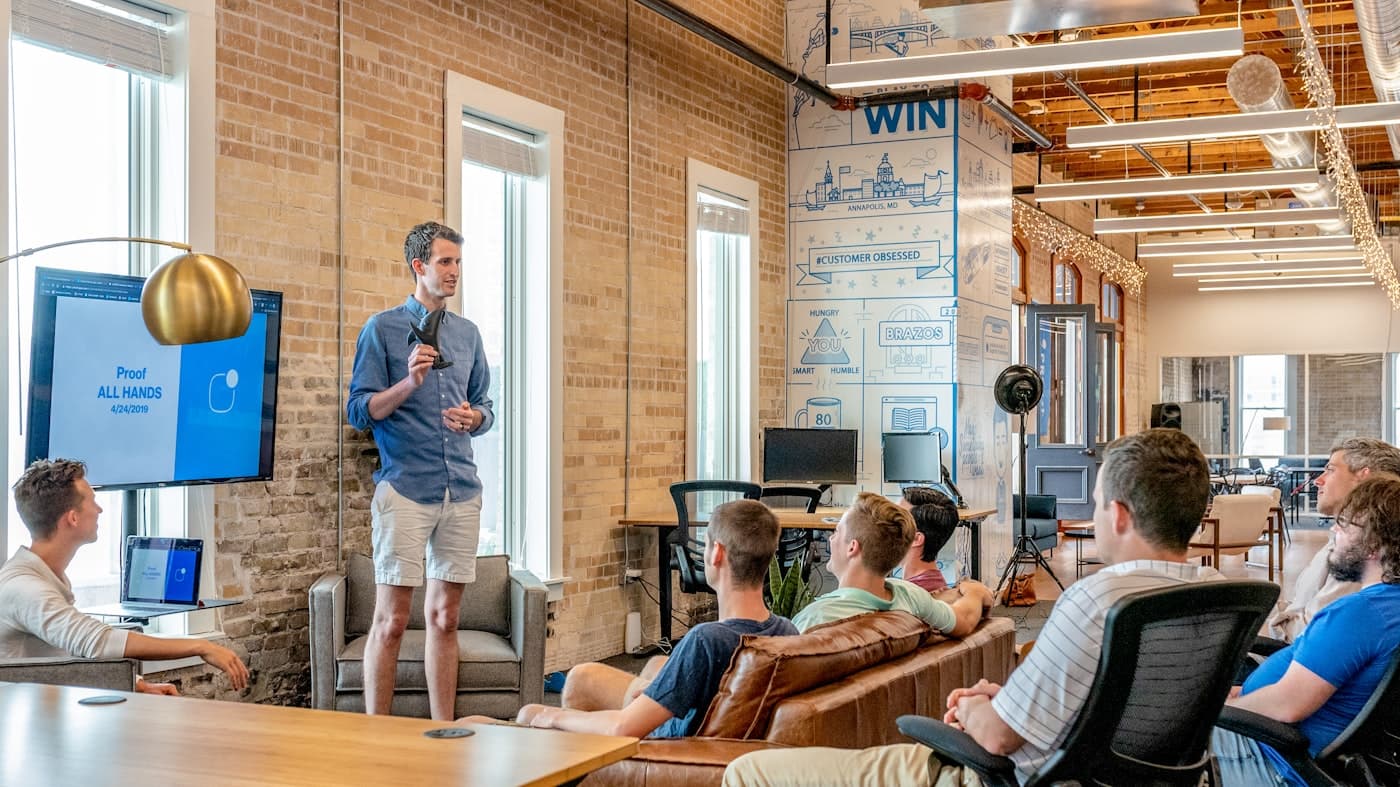
The rent on a ground floor studio in Kakaʻako went up again in March, and Kaimana Threads answered by moving its two floor looms into a converted garage off Kamehameha Highway in Wahiawā. The studio lost a walk-in window and gained eleven feet of ceiling. Six months later the weavers who run the place say they are putting out more yardage than they did in town, and turning away less work.
That trade, visibility for space, keeps repeating across the islands. A ceramicist in Hilo now fires in a shed behind her parents' house and sells out a drop in a weekend. A soap maker in Waimānalo gave up her Kailua storefront and doubled her wholesale accounts. None of them describe it as a retreat. They describe it as arithmetic, and they run the numbers out loud, the way people do when they have run them many times before.
the math of staying
The arithmetic is not complicated. A retail lease in town starts near four dollars a square foot and climbs. A booth at a weekend pop-up runs eighty-five dollars with no cut of sales. A wholesale order to a boutique clears about half of retail and pays in sixty days. For a studio making forty pieces a month by hand, the pop-ups and the wholesale orders together cover the year. The storefront, most of them found, covered only itself.
Pono Plate Co. runs the same logic from the other direction. The kitchen buys from the boats at Honolulu Harbor in the morning and closes when the day's fish is gone, which is usually before two. Scaling would mean buying frozen, and buying frozen would mean a different business. So the owners hold the menu at six dishes and take the shortfall as the price of the thing they actually wanted to make.
“We stopped asking how to get bigger and started asking how to last.”
Ellen Kanoa, Kaimana Threads
What has changed is where the customers meet them. Pop-ups now do the work of the storefront the studios gave up: a Saturday at the Surfjack puts a maker in front of several hundred people for the cost of a table and a morning of load-in. Instagram fills the gap between dates. The model is not new. What is new is that it has become the plan rather than the fallback.
what comes next
None of this is settled. Shipping costs still make mainland orders a coin flip, and every maker interviewed named the same worry, which is what happens when the person doing the work gets tired. But the studios that moved out of town are the ones hiring, and two of them are training apprentices this year. The future being built here looks less like a chain and more like a long list of small, stubborn shops that intend to still be open in ten years.